


There is a question I ask about every business before anything else: can I tell, with reasonable confidence, how this company will look in five years?
Not the exact numbers. Not the precise revenue figure or the margin to the decimal. Just the shape of it, the competitive position, the pricing power, the reason customers keep coming back regardless of what is happening in the world around them.
For most businesses I cover, the answer is grounded in something structural. An automotive parts distributor benefits from an ageing vehicle fleet that gets more complex and more expensive to repair every year. A salvage auction operator sits at the intersection of rising total loss frequency and a global buyer network that took decades to build. A payment network processes more volume every time a cash transaction moves to digital. These businesses have tailwinds I can reason about independently of consumer sentiment, cultural trends, or what happens to be fashionable this season.
Nike does not have that. And that is the reason it is not included in the Bearhold Universe.
What Nike Actually Sells
Nike is one of the most recognised brands on earth. The marketing is exceptional. The athlete relationships are unmatched. The distribution is global. None of that is in question.
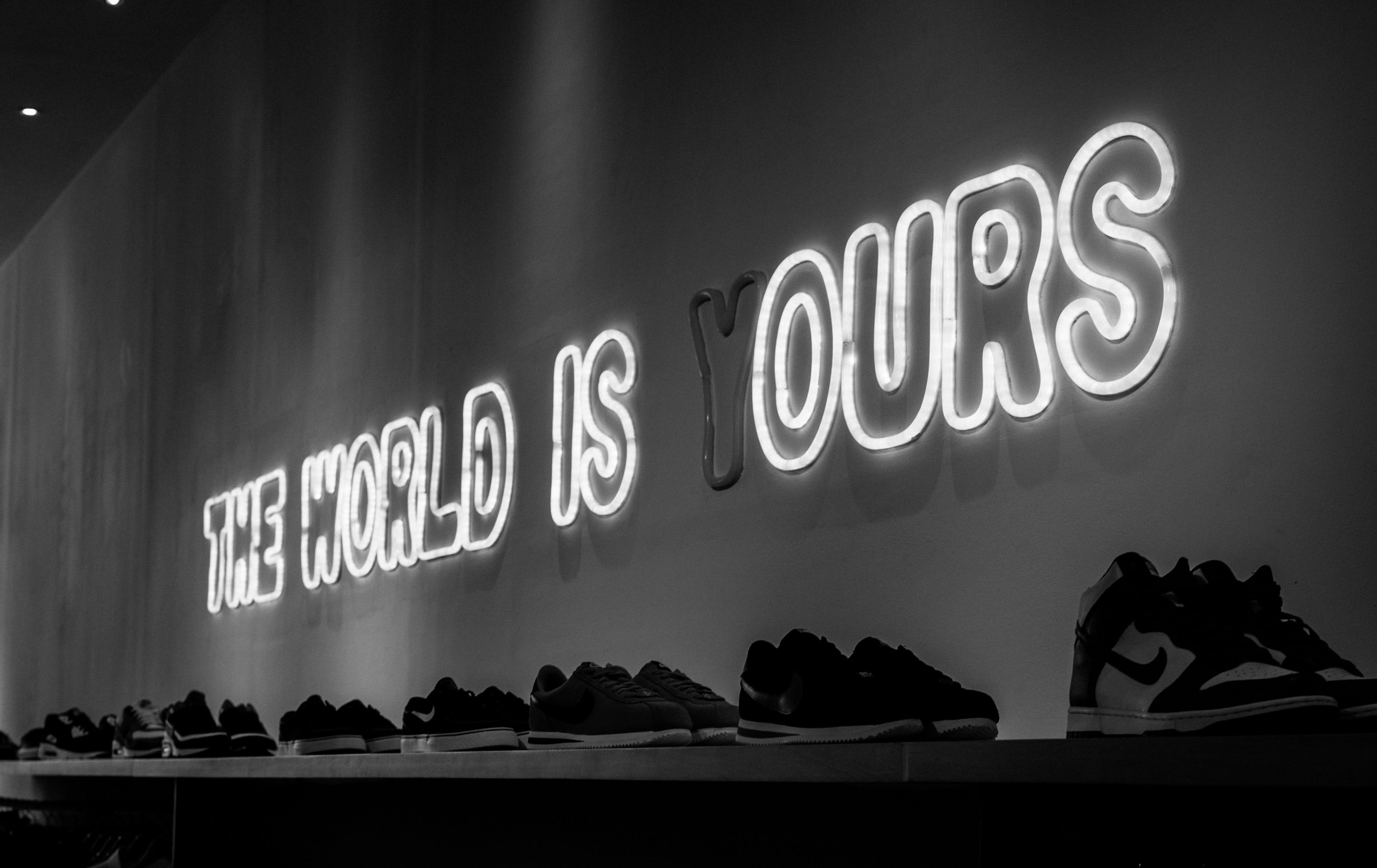
But when you strip it back to what the customer is actually paying for, the answer is identity. The person buying a pair of Air Maxes or a Nike training kit is not primarily paying for a functional outcome. They are paying to be associated with something they find culturally relevant, a feeling, an image, an aspiration. That relationship is real. It is also fragile in a way that other business models simply are not.
Identity is subject to taste. And taste shifts without warning, without logic, and without giving management teams much time to respond.
The Problem with Taste as a Business Driver
The history of consumer brands is full of businesses that looked like compounders until the moment they didn’t. Brands that commanded premium pricing, built loyal followings, and generated strong returns for years, right up until something shifted in the culture and the loyal customer turned out to be loyal to the aesthetic, not the company.
This is not a management failure. It is a category characteristic. When your competitive advantage rests on cultural relevance, you are permanently exposed to a risk that no amount of operational excellence can fully insulate you from. Competitors do not need to engineer a superior product. They just need to feel fresher at the right moment.
Nike is experiencing exactly this right now. Revenue declined roughly ten percent in its most recent fiscal year. Operating margins have compressed significantly from historical levels. Competitors have established meaningful positions in running, a category that historically reinforced Nike’s performance credibility and pricing power.
The company is rebuilding its wholesale relationships after a strategic overcommitment to direct-to-consumer that did not deliver on its promise. China, which represents a meaningful share of the business, has been declining for several consecutive quarters.
Some of this is execution. But not all of it. Some of it is simply what happens when taste moves on and the brand has to work harder to stay relevant than it used to.
What I Need to See Instead
When I build a position in a business, I want to be able to answer one question clearly: why will this company’s customers still be here in five years?
For the businesses that pass the quality filter, the answer is almost always structural. The switching costs are high, the network effects are real, or the service is so deeply embedded in the customer’s operations that replacing it is more painful than paying for it. These businesses do not need to be culturally relevant. They need to be necessary.
Nike is not necessary. It is desired. And desire, unlike necessity, is something that has to be earned back every season.
The status
Nike is Rejected in the Bearhold Universe. Not because it is a bad company, it is not. Not because the brand is broken, it is not. But because the uncertainty embedded in its revenue model is not the kind of uncertainty I am willing to hold through cycles.
The quality filter exists precisely for moments like this. A well-known name, a strong brand, a long operating history, none of that is sufficient if the fundamental question cannot be answered with confidence.
I want to own businesses where the answer to “why will customers still be here in five years” is obvious. For Nike, it is not.
This report reflects the author’s personal views and is not an investment advice. Investing carries the risk of permanent capital loss. Read the full disclaimer here